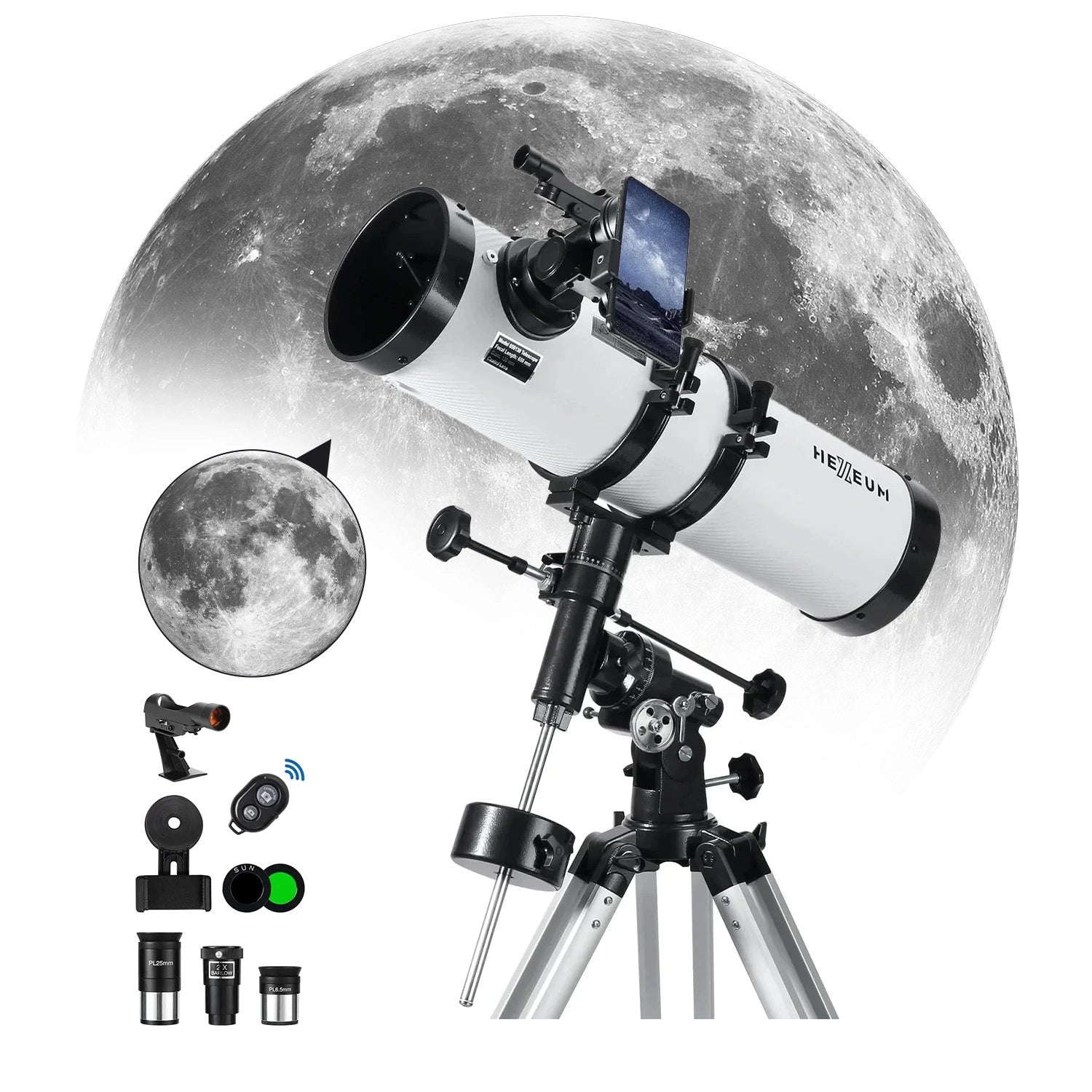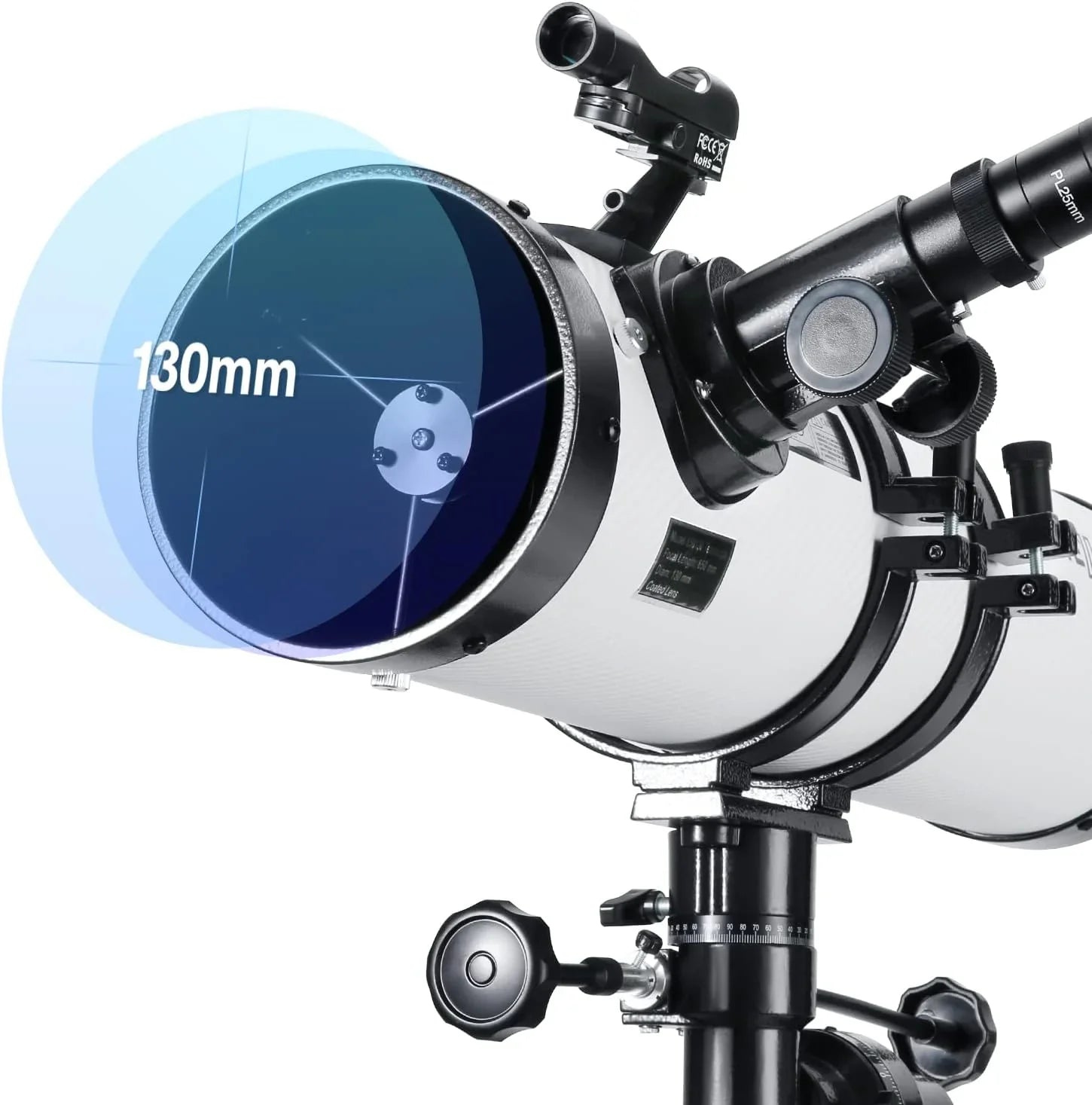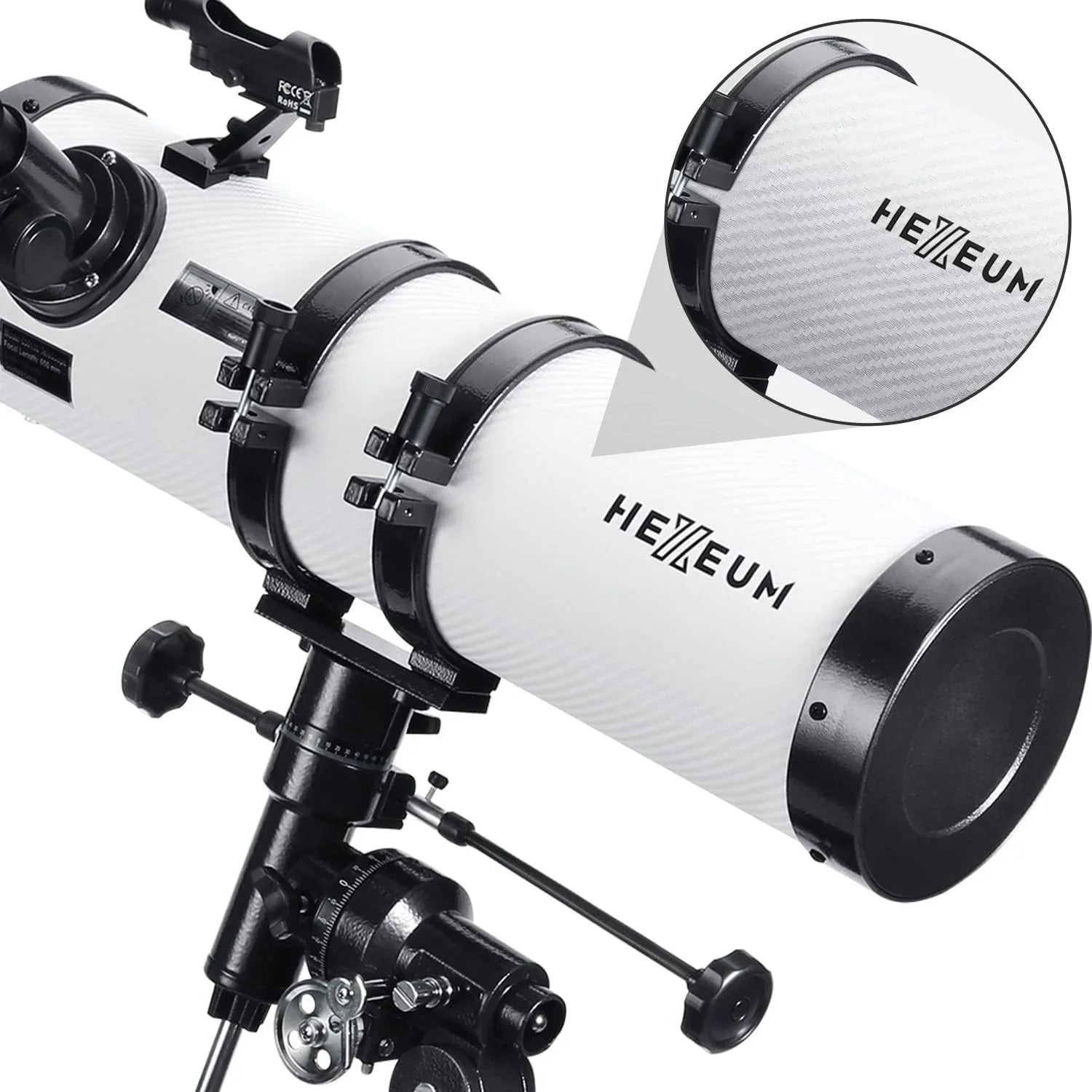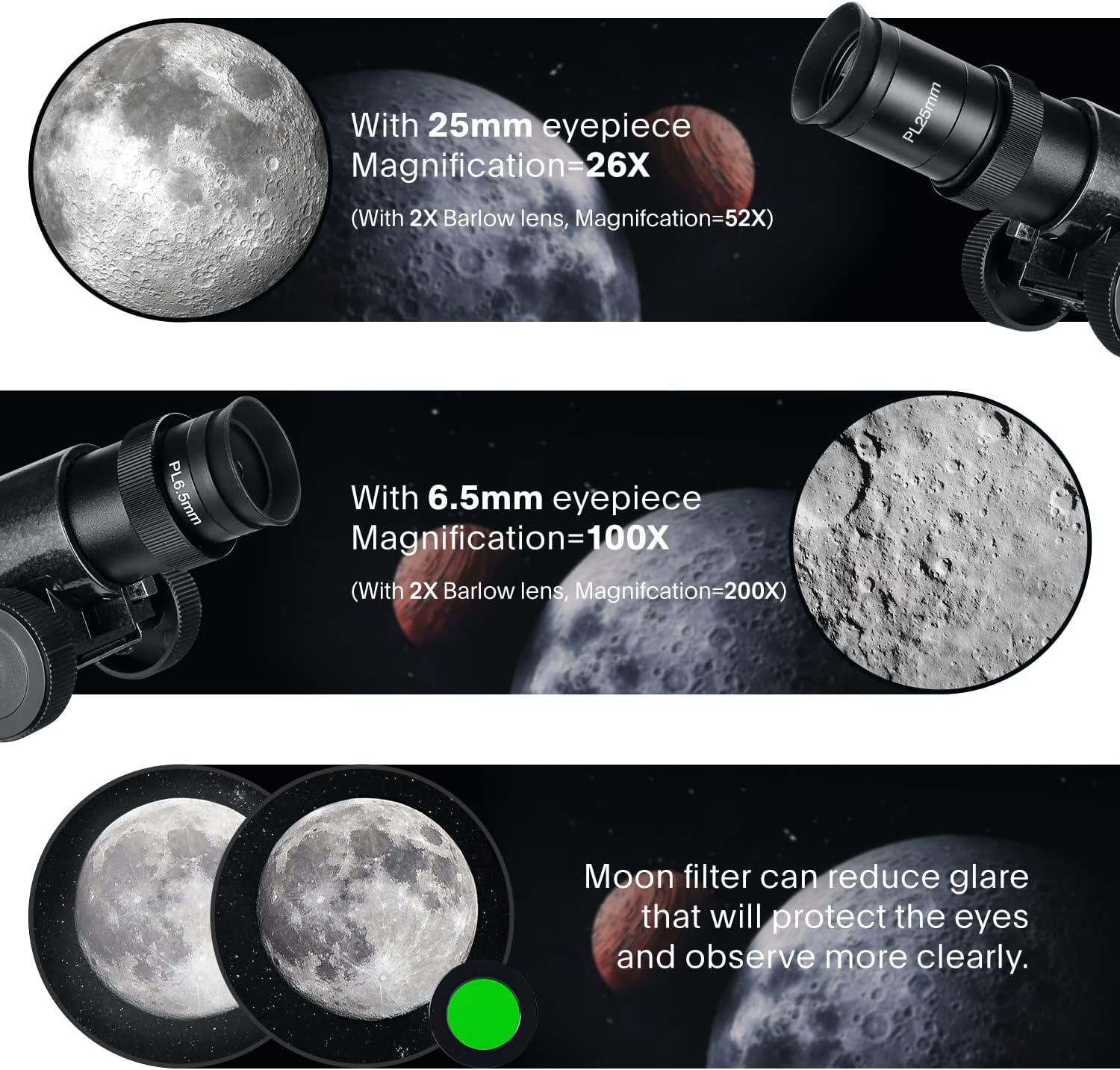
Clear lunar shape, brighter craters, and shadow details along the terminator.
What Can You Actually See?
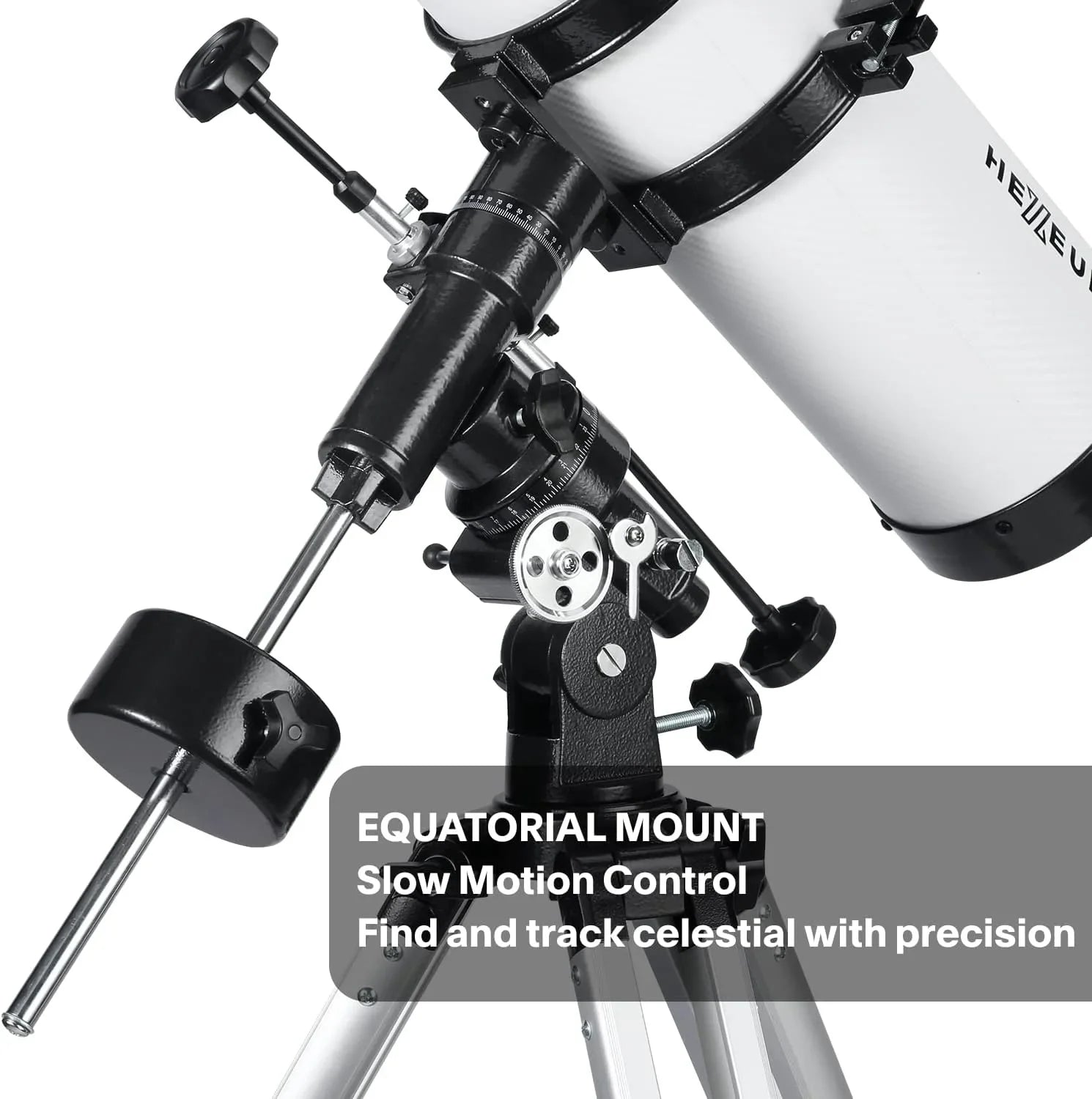
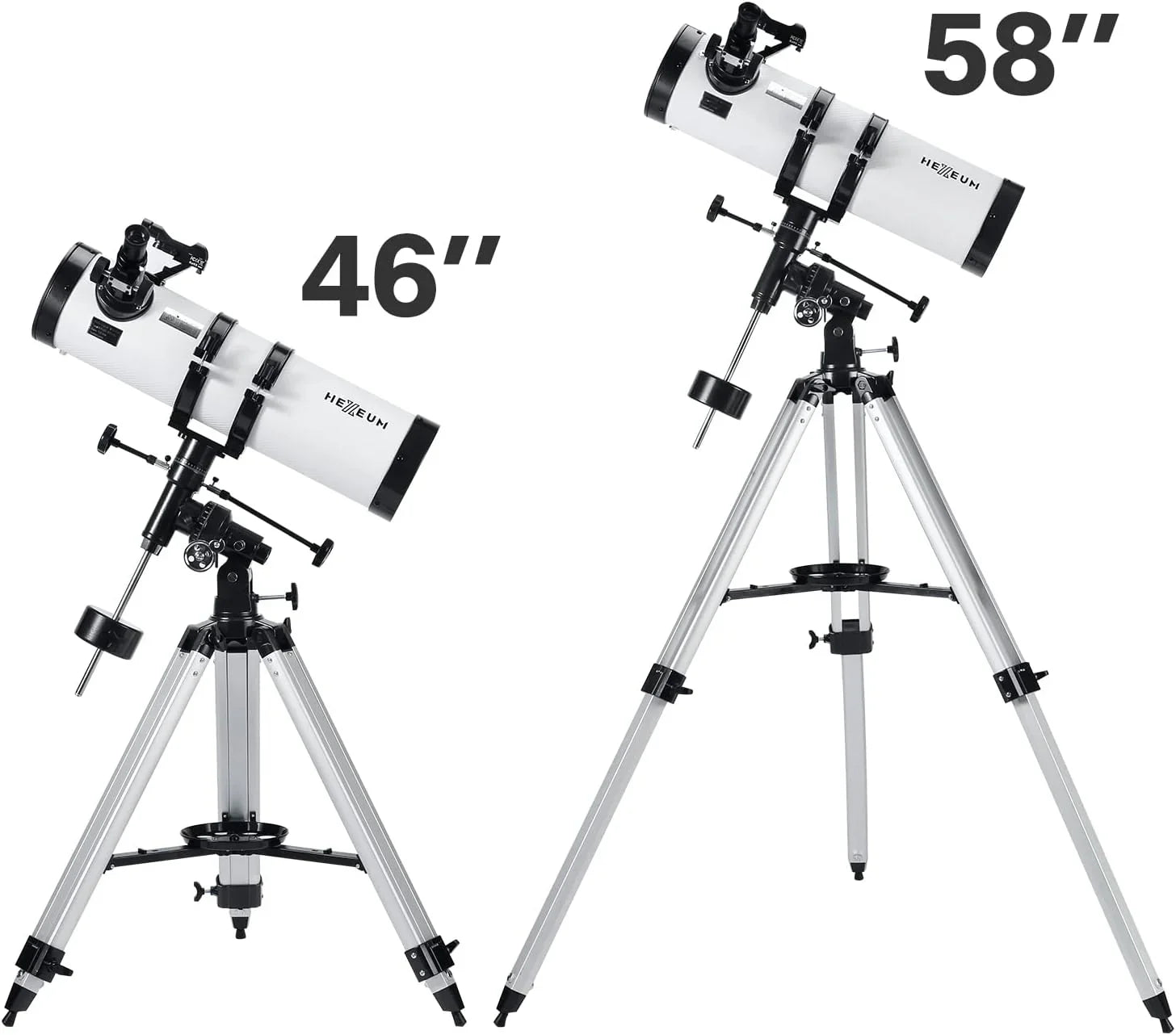
Antares 130EQ is designed for beginner astronomers who want brighter Moon views, clearer planetary details, and a more hands-on learning experience with an equatorial mount.
Bright planet disks may be visible; Saturn's ring shape can be challenging and depends heavily on sky conditions.
Expect faint smudges for some bright clusters or nebulae under dark skies, not colorful galaxy photos.
Good for first Moon shots after careful alignment. Use the remote to reduce shake.
First-night tips and product details Setup tips, full description, and support links
Vega Air: the most portable first telescope for quick family nights
Vega Air is the lightest, quickest Koolpte telescope choice for first-time stargazers who want less setup friction. The shorter 70mm refractor format is easy...
Read full product details
Vega Air is the lightest, quickest Koolpte telescope choice for first-time stargazers who want less setup friction. The shorter 70mm refractor format is easy to carry outside, simple to pack for travel, and friendly for kids, parents, and gift buyers starting with the Moon.
For the first night, begin with the lower-power eyepiece so the Moon is easier to locate and focus. Once the view is centered, try higher power for a closer look at craters and shadow lines. Bright planets can be observed when the sky is steady, but realistic beginner results still depend on focus, weather, and patience.
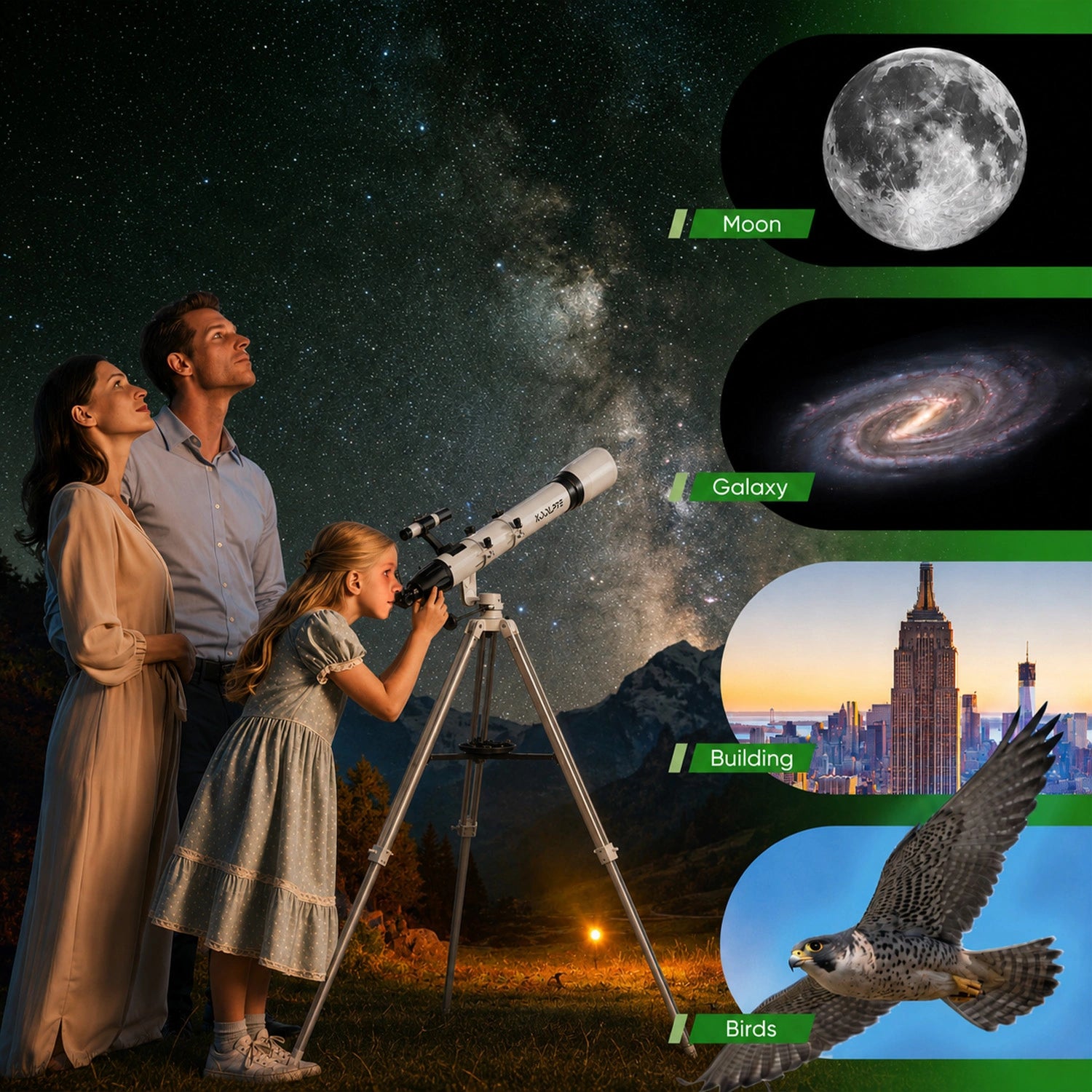
During the day, Vega Air can also work as a casual spotting scope for distant scenery, birds, and outdoor details. The included phone adapter helps line up a smartphone over the eyepiece for first Moon photos, while the remote shutter helps reduce shake.
Choose Vega Air when portability matters most: backyard practice, camping trips, school projects, and a low-pressure first telescope experience.
Usage Scenarios
Explore the universe with Koolpte
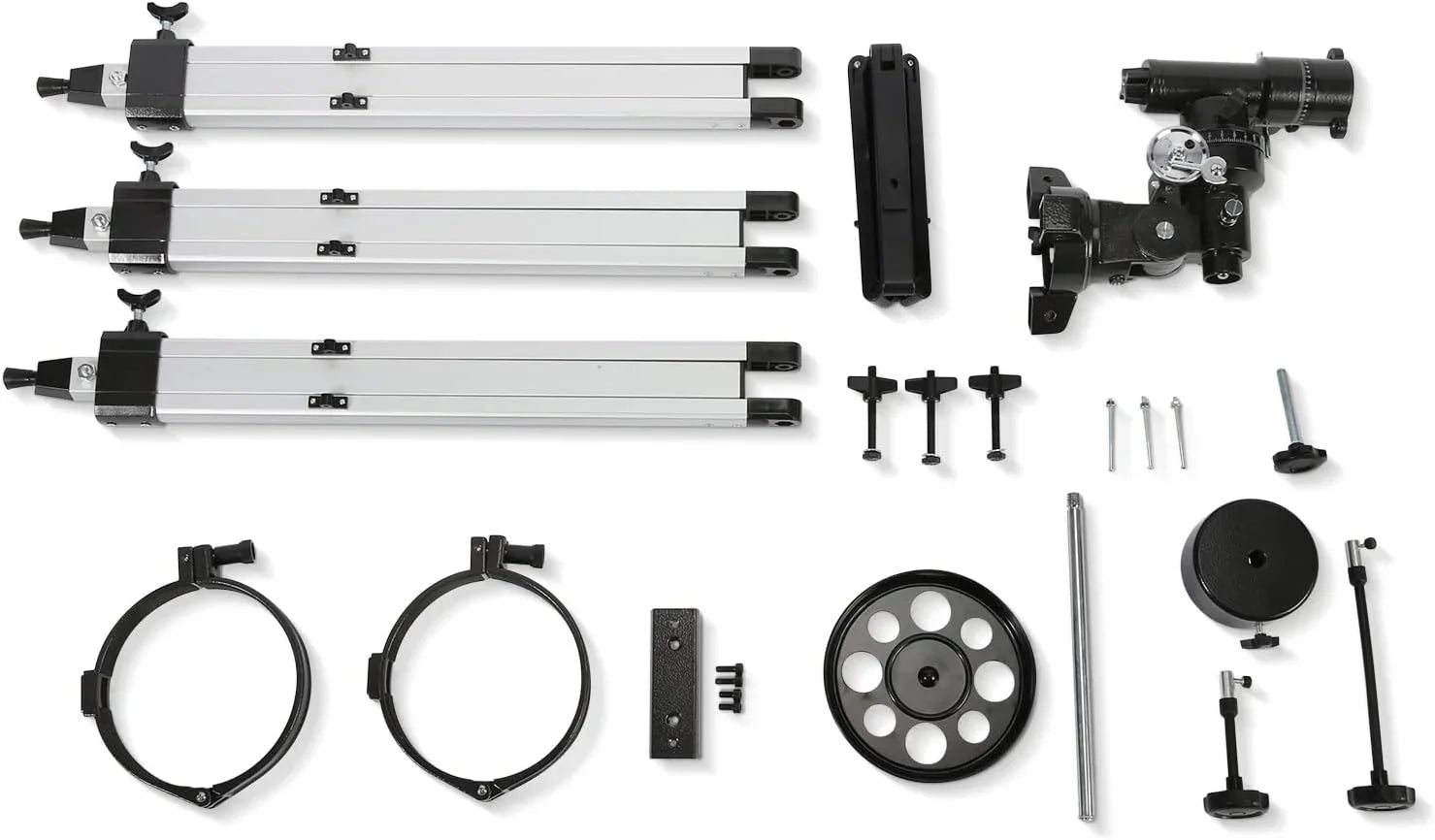
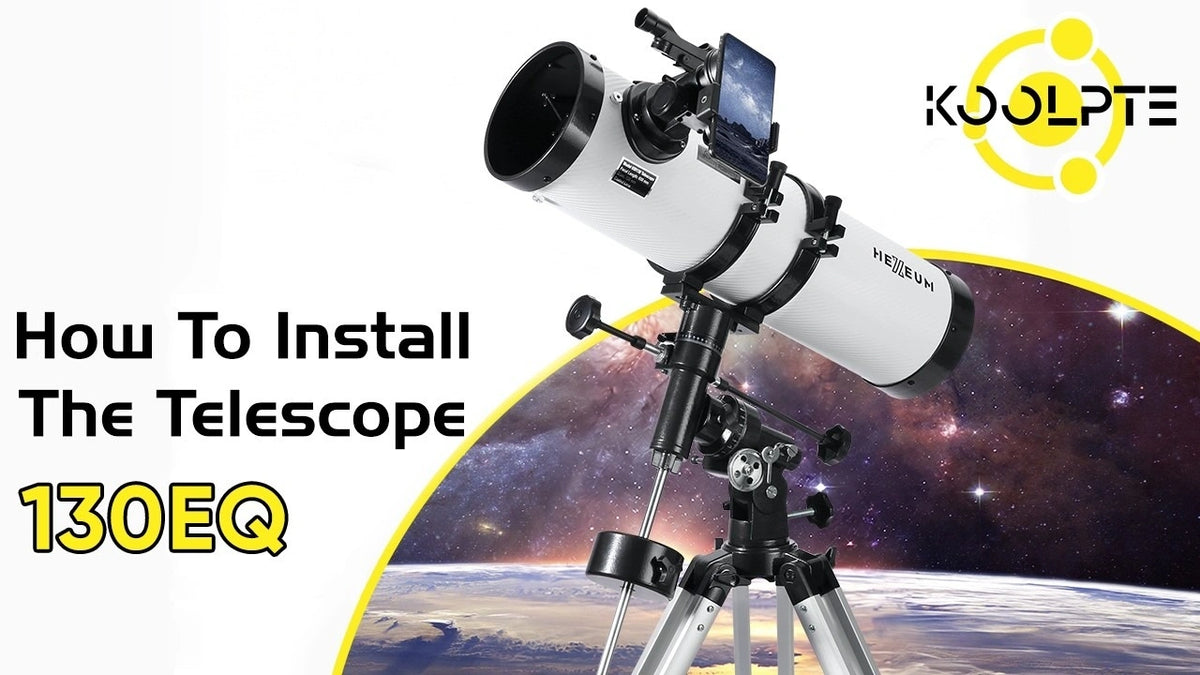
Installation Steps
5 simple steps to start your stargazing journey
Set Up Tripod
Attach Main Tube
Align Finderscope
Install Optics
Adjust Mount
Step 1: Assemble Tripod Easy
Assemble the base for a stable viewing experience.
Step 2: Attach Main Tube Easy
Mount the optical tube onto the stand.
Step 3: Align Finderscope Easy
Set up the scope for easy targeting.
Step 4: Install Optics Easy
Configure the lenses and sharpen focus.
Step 5: Aim at Sky Enjoy
Control the vertical and horizontal movement.
Product Overview
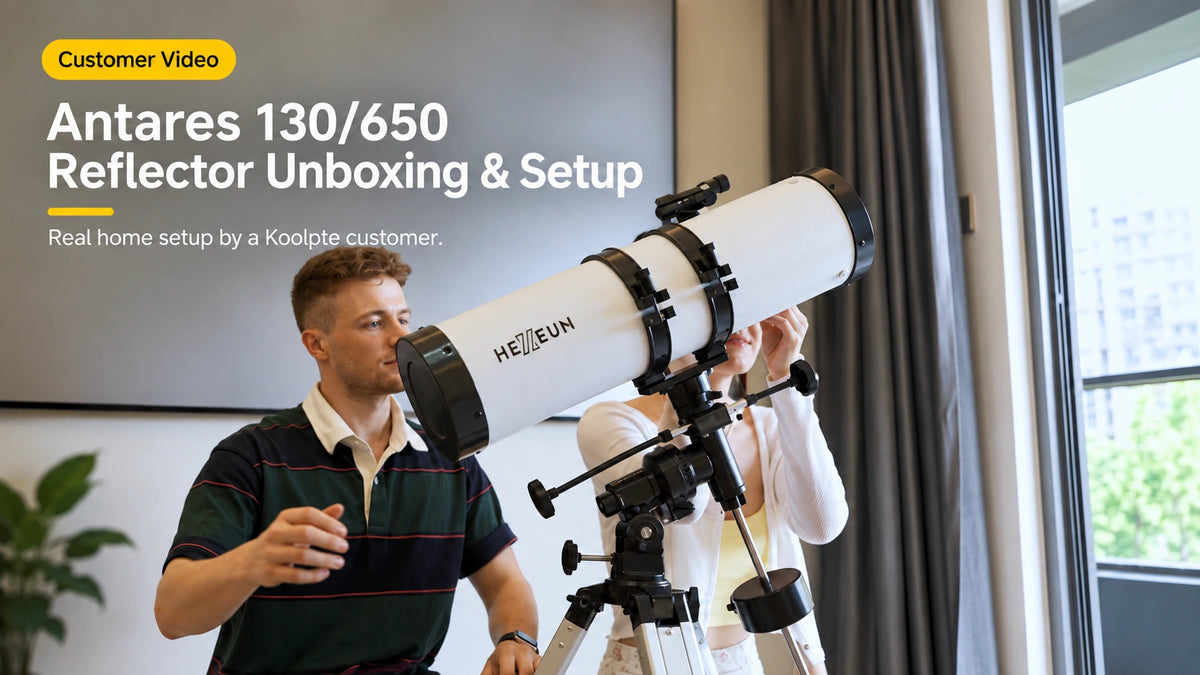
Watch the full guide
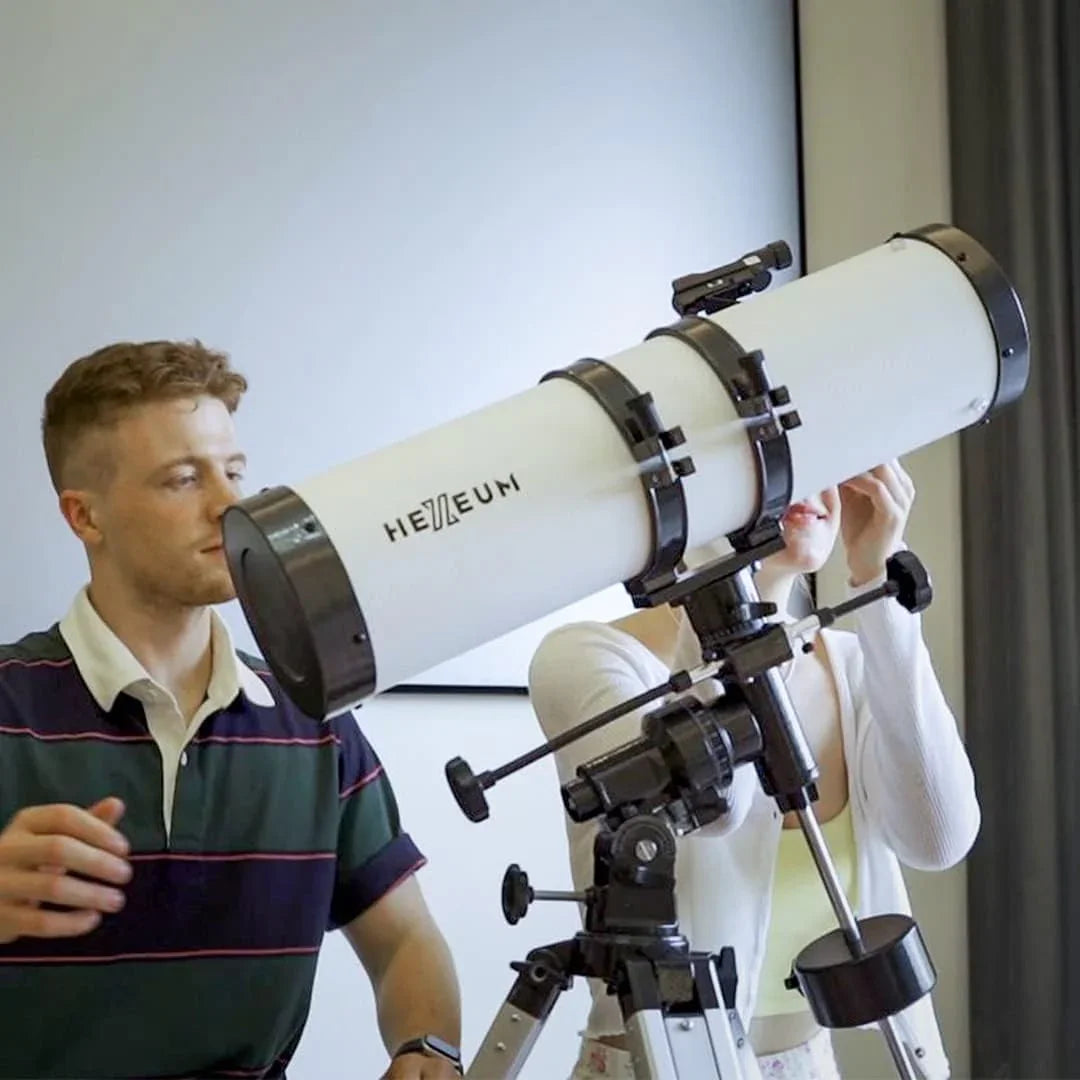
User Photos
Real photos from users worldwide
Compare Koolpte models
Pick by use case, control, and practical magnification.

Vega Plus
A brighter step up for families without making setup more difficult.
View model
Vega Lite
Light, simple, and easy to carry for first telescope gifts.

Vega Plus
A brighter step up for families without making setup more difficult.

Vega Precision
Steadier aiming for adults and families while learning.

Precision Ultra
The longest reach for users ready to practice carefully.
Magnification ranges are practical kit ranges based on included eyepieces and Barlow lens combinations. Clear skies, stable ground, and careful focus matter more than using the highest power first.
Product Specs
Hover hotspots for details
Objective Lens
70mm Large aperture, FMC multi-coated
Optical Tube
Focal length for crisp clarity
FMC Coating
Multi-layered optics for peak light transmission
AZ Mount
Smooth dual-axis tracking
Objective Lens
Bright and wide-angle views
Optical Tube
Compact HD focal system
FMC Coating
Multi-layered anti-reflection
AZ Mount
Smooth dual-axis tracking
Aperture
Focal Length
Optics Coating
EQ Mount
Comparison View
Drag the slider to compare telescope photos

Frequently Asked Questions
Find answers to common questions
For beginners, we recommend a telescope with a 70mm-80mm aperture, like the Koolpte Vega Lite (70mm) or Vega Plus (80mm). These offer a great balance between portability and light-gathering ability, perfect for viewing the Moon, planets, and bright deep-sky objects.
Aperture is the diameter of the telescope's main lens or mirror. A larger aperture gathers more light, allowing you to see fainter objects and more detail. For most beginners, 70mm-90mm is ideal.
Refractor telescopes use lenses and are great for viewing the Moon and planets with crisp, high-contrast images. Reflector telescopes use mirrors and typically offer larger apertures at lower cost, making them better for deep-sky objects like galaxies and nebulae.
Yes! All Koolpte telescopes come with a phone adapter that lets you attach your smartphone to the eyepiece for digiscoping. This is great for capturing photos of the Moon and planets.
Most Koolpte telescopes can be assembled in 10-15 minutes with no tools required. Each package includes a detailed quick-start guide, and we also provide video tutorials on our Learn Hub.
Point the telescope at a distant object (like a streetlight or tree top) using a low-power eyepiece. Then adjust the finderscope's alignment screws until the crosshair is centered on the same object. Do this during the day for easier setup.
Always start with the lowest magnification (longest focal length) eyepiece — usually the 20mm. This gives you the widest field of view, making it easier to find your target. Once you've located it, switch to a higher magnification eyepiece for a closer look.
For beginners, we recommend a telescope with a 70mm-80mm aperture. It offers a good balance between portability and light-gathering ability, perfect for viewing the Moon and planets.
With a 70mm+ telescope, you can observe:
• The Moon's craters and mountains in stunning detail
• Jupiter's cloud bands and four Galilean moons
• Saturn's rings
• Venus phases
• Mars during opposition
• Bright star clusters and the Orion Nebula
The best conditions are clear, moonless nights away from city lights. Planets are best observed when they're high in the sky. Check astronomy apps like SkyView or Stellarium for real-time sky maps and upcoming celestial events.
Astronomical telescopes naturally produce inverted (upside-down) images, which is normal for celestial observation — there's no "up" or "down" in space! For terrestrial viewing, you can use an image-erecting prism or diagonal to correct the orientation.
All Koolpte telescopes come with a 1-year manufacturer warranty covering defects in materials and workmanship. We also offer a 30-day satisfaction guarantee — if you're not happy with your purchase, contact us for a full refund.
Use a soft lens brush or compressed air to remove dust. For smudges, use a microfiber cloth with a small amount of lens cleaning solution. Never use paper towels or household cleaners, as they can damage the lens coating.
You can reach us through our Contact page, or email us directly at support@koolpte.com. We typically respond within 24 hours on business days.
Can't find your answer?
Contact Us