


MoonStrong
More satisfying lunar detail, with craters and surface contrast easier to see once focused.
Vega Plus gives beginners a stronger first-night experience with more light gathering than 70mm models. It is still simple to use, but better suited for families who want clearer Moon views and a more practical start with bright planets.
More satisfying lunar detail, with craters and surface contrast easier to see once focused.
Good for Jupiter and Saturn as bright targets. Rings or moons may be visible under steady skies.
Bright clusters and nebulae may appear as faint gray patches in dark locations.
A practical choice for Moon photos with the phone adapter and remote shutter.
Watch the full guide
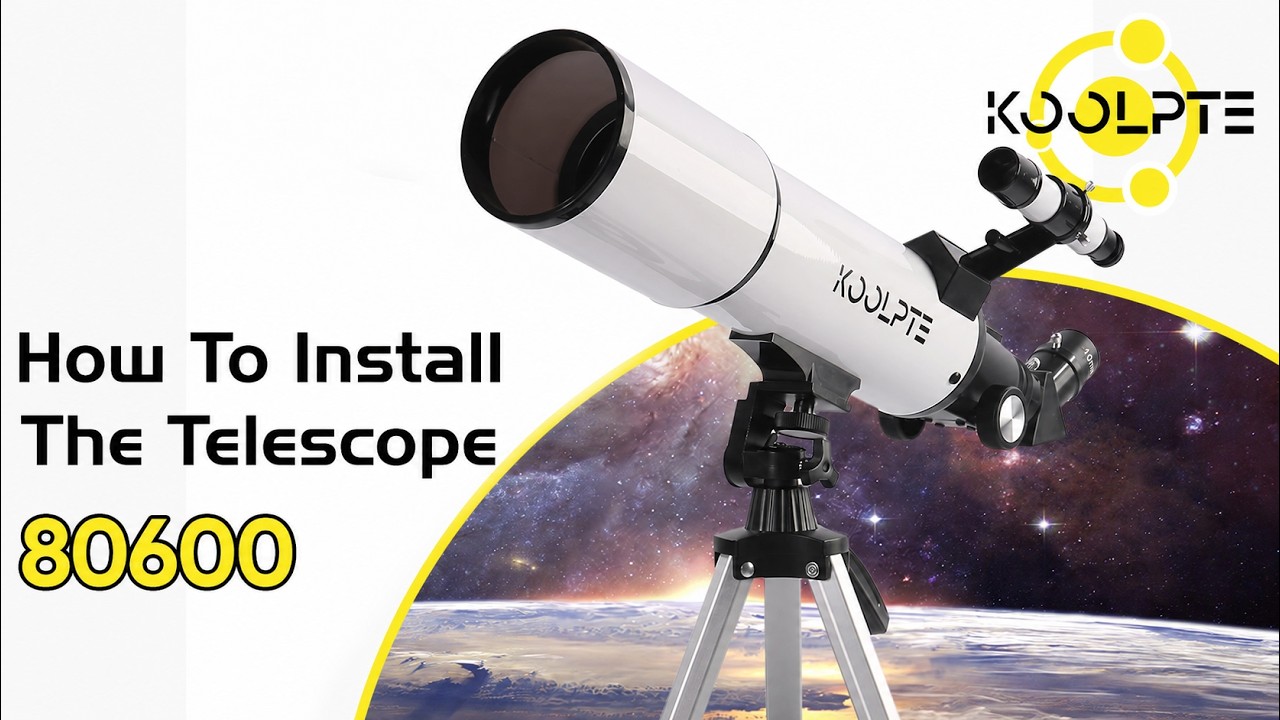
5 simple steps to start your stargazing journey

Assemble the base for a stable viewing experience.

Mount the optical tube onto the stand.

Set up the scope for easy targeting.

Configure the lenses and sharpen focus.

Control the vertical and horizontal movement.
Hover hotspots for details

70mm Large aperture, FMC multi-coated
Focal length for crisp clarity
Multi-layered optics for peak light transmission
Smooth dual-axis tracking

Bright and wide-angle views
Compact HD focal system
Multi-layered anti-reflection
Smooth dual-axis tracking
Everything included, ready to use

Dual power views
Pro Optics
Triple your magnification
3x Power
Upright and comfortable
45° View
Fast and easy targeting
Precision
Smart photography
Astro-Photo
Wireless capture
Remote
Stay organized at night
Convenient
Padded protection
PortableDrag slider to compare telescope photos
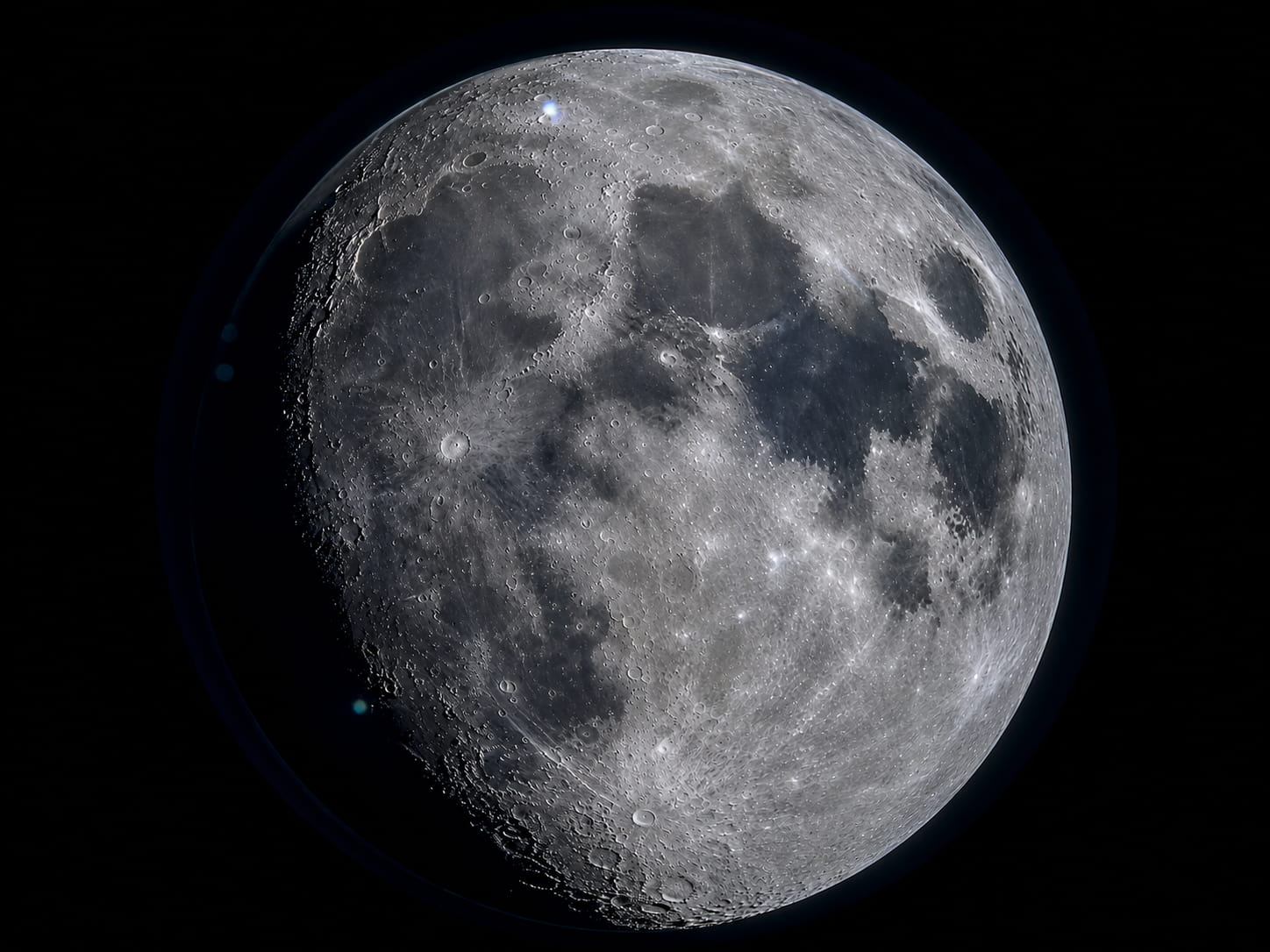
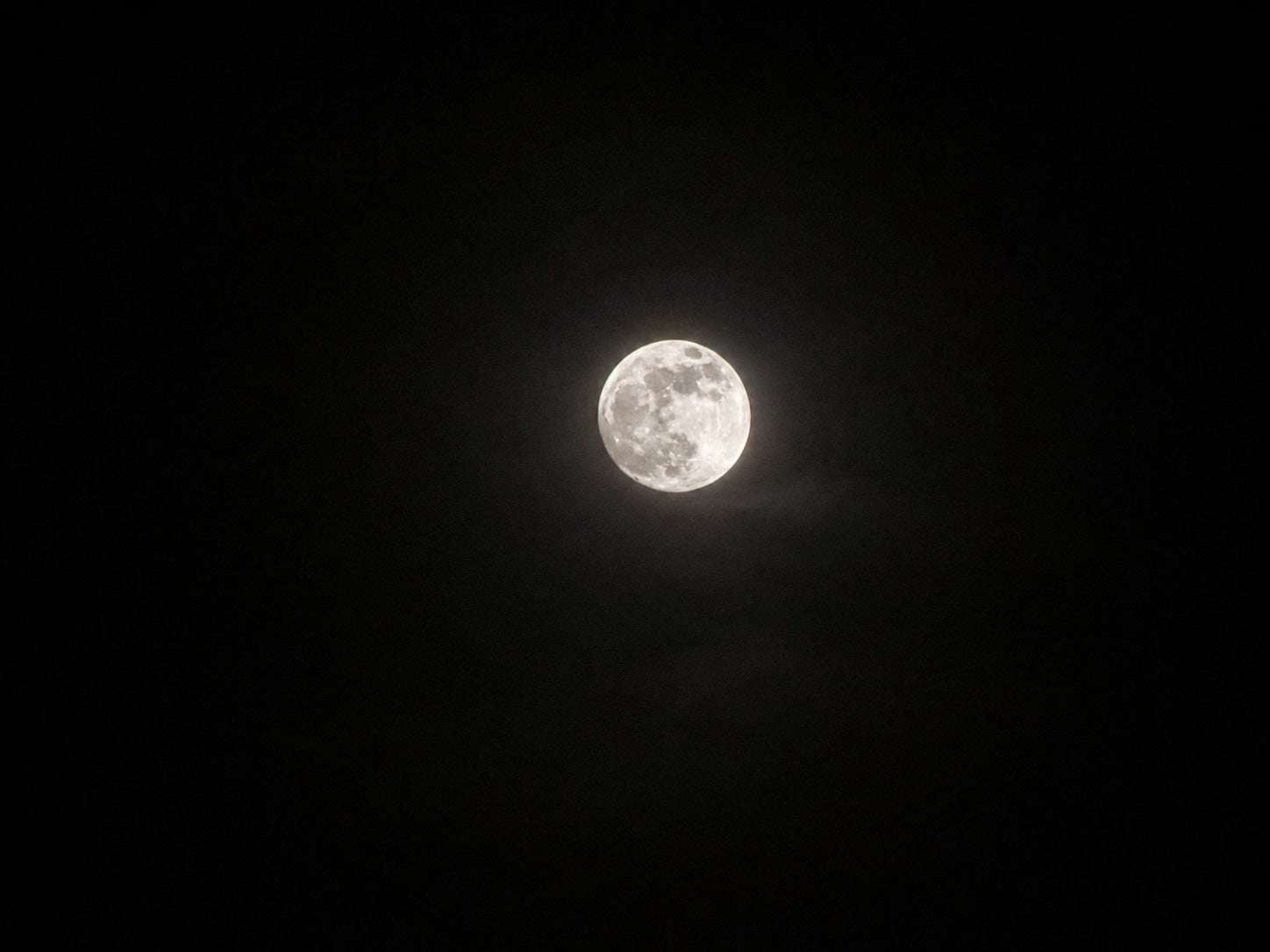
Explore the universe with Koolpte


Real photos from users worldwide


Find answers to common questions
For beginners, we recommend a telescope with 70mm-80mm aperture, like the Koolpte Vega Lite (70mm) or Vega Plus (80mm). These offer a great balance between portability and light-gathering ability, perfect for viewing the moon, planets, and bright deep-sky objects.
Aperture is the diameter of the telescope's main lens or mirror. A larger aperture gathers more light, allowing you to see fainter objects and more detail. For most beginners, 70mm-90mm is ideal.
Refractor telescopes use lenses and are great for viewing the moon and planets with crisp, high-contrast images. Reflector telescopes use mirrors and typically offer larger apertures at lower cost, making them better for deep-sky objects like galaxies and nebulae.
Yes! All Koolpte telescopes come with a phone adapter that lets you attach your smartphone to the eyepiece for digiscoping. This is great for capturing photos of the moon and planets.
Most Koolpte telescopes can be assembled in 10-15 minutes with no tools required. Each package includes a detailed quick-start guide, and we also provide video tutorials on our Learn Hub.
Point the telescope at a distant object (like a streetlight or tree top) using a low-power eyepiece. Then adjust the finderscope's alignment screws until the crosshair is centered on the same object. Do this during the day for easier setup.
Always start with the lowest magnification (longest focal length) eyepiece — usually the 20mm. This gives you the widest field of view, making it easier to find your target. Once you've located it, switch to a higher magnification eyepiece for a closer look.
For beginners, we recommend a telescope with 70mm-80mm aperture. It offers a good balance between portability and light-gathering ability, perfect for viewing the moon and planets.
With a 70mm+ telescope, you can observe:
• The Moon's craters and mountains in stunning detail
• Jupiter's cloud bands and four Galilean moons
• Saturn's rings
• Venus phases
• Mars (during opposition)
• Bright star clusters and the Orion Nebula
The best conditions are clear, moonless nights away from city lights. Planets are best observed when they're high in the sky. Check astronomy apps like SkyView or Stellarium for real-time sky maps and upcoming celestial events.
Astronomical telescopes naturally produce inverted (upside-down) images, which is normal for celestial observation — there's no "up" or "down" in space! For terrestrial viewing, you can use an image-erecting prism or diagonal to correct the orientation.
All Koolpte telescopes come with a 1-year manufacturer warranty covering defects in materials and workmanship. We also offer a 30-day satisfaction guarantee — if you're not happy with your purchase, contact us for a full refund.
Use a soft lens brush or compressed air to remove dust. For smudges, use a microfiber cloth with a small amount of lens cleaning solution. Never use paper towels or household cleaners, as they can damage the lens coating.
You can reach us through our Contact page, or email us directly at support@koolpte.com. We typically respond within 24 hours on business days.
Can't find your answer?
Contact UsSetting up the telescope can be a hassle at first, but if you have an area to leave it in place, it won t take long The calibrating min-scope is fragile and one of the tightening screws on ours broke off before we were able to set it up As a result, we can t correctly calibrate the telescope, but using it during the day is not as bad The viewfinder for the 25mm lens a bit on the smaller side, so sometimes you can see reflections of your eye or eyelashes, but if you focus on what you are trying to see it s not as distracting Overall pretty good quality lenses and we ve been able to see the moon a few times with pretty good quality
Thanks for your great review!
Was a gift for my father in law he loves it
Thanks for your great review!
excellent product, i live on a lake and can see the stars at night!!
Thanks for your great review!
It s just an ordinary product The price seems a bit inappropriate It feels like it s too expensive Brother thinks so too Ah
Thanks for your great review!
Price point little high for the quality of this
Thanks for your great review!