
YouTube
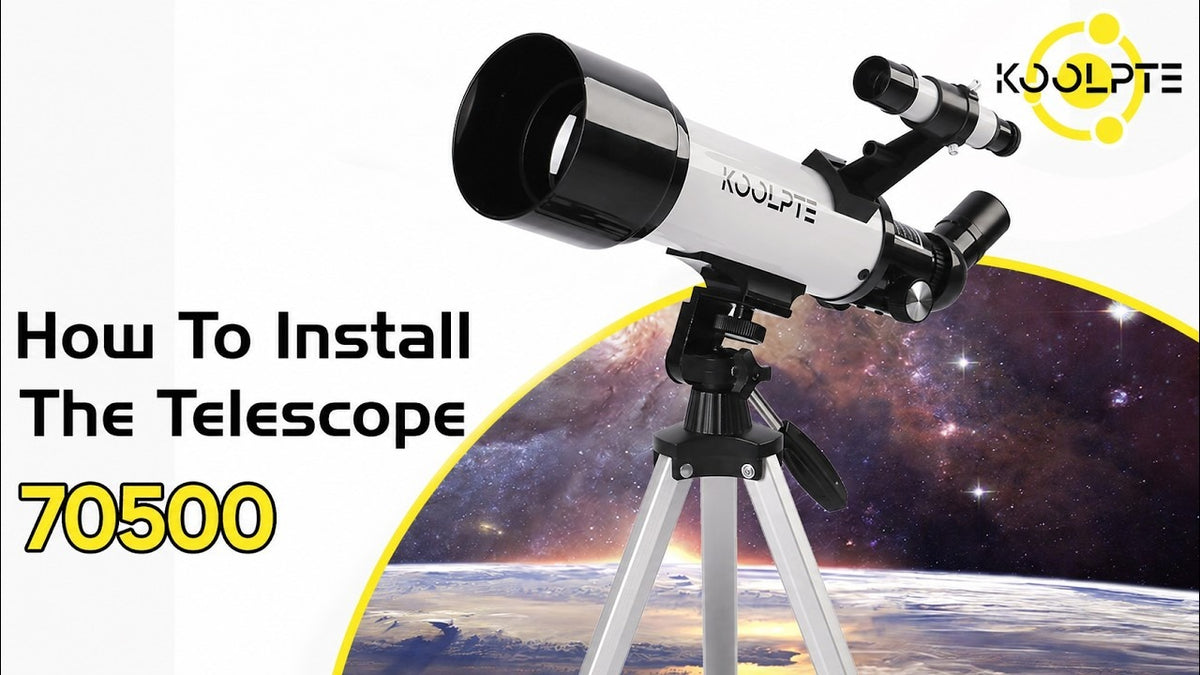
How to Install the Koolpte 70500 Telescope

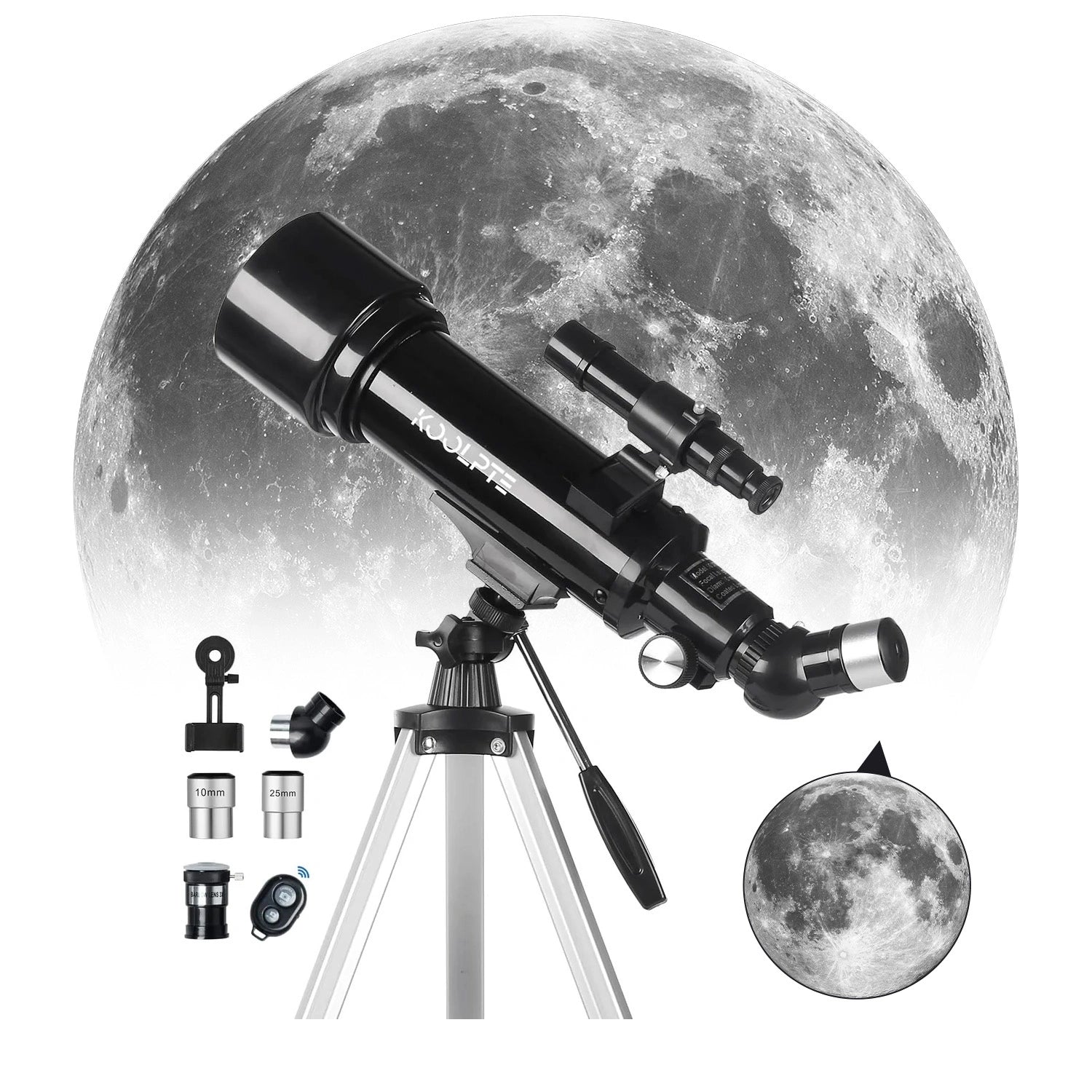
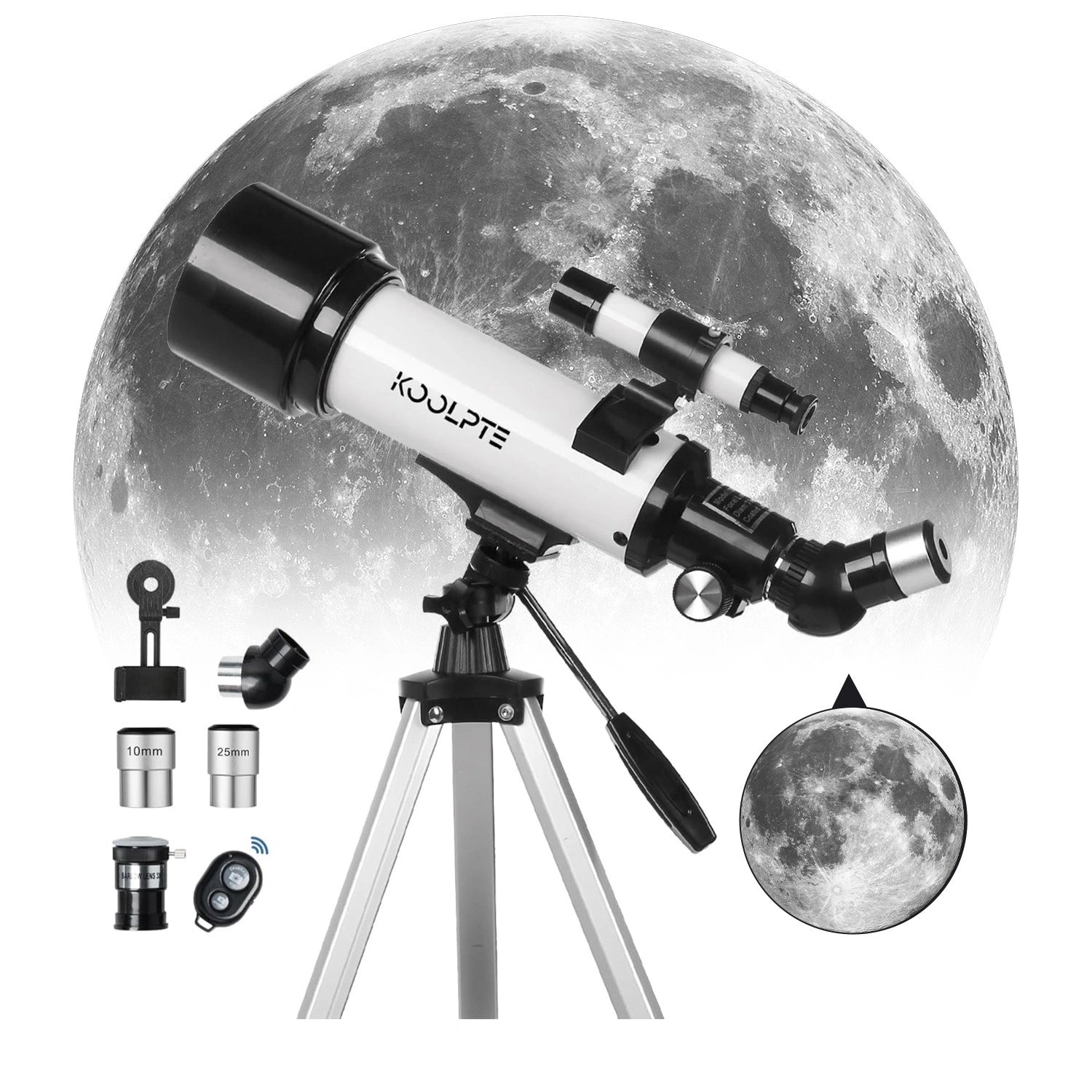


70mm FMC Optics with 500mm Reach | Explore the Moon & Bright Planets
A little spooky, a lot of stargazing! Use code QUIZ10 for 10% off your first order.
✓ In Stock • Ships Today
30-Day Returns
1-Year Warranty
Secure & Protected Delivery
Koolpte Vega Lite 70mm Aperture 500mm Refractor Telescope
If you have any questions, you are always welcome to contact us. We'll get back to you as soon as possible, within 24 hours on weekdays.
Shipping Information
Use this text to answer questions in as much detail as possible for your customers.
Customer Support
Use this text to answer questions in as much detail as possible for your customers.
FAQ’s
Use this text to answer questions in as much detail as possible for your customers.
Contact Us
Use this text to answer questions in as much detail as possible for your customers.
Watch setup guides, creator reviews, and real beginner experiences with the Vega Lite 70mm telescope kit.


The 70mm aperture and FMC multi-coated refractor optics help beginners start with brighter Moon views and clearer first targets.

The 500mm focal length gives Vega Lite more reach than smaller travel models while keeping the setup simple for first-time users.

Use the included 25mm and 10mm eyepieces to start at lower power, then increase magnification as focus and viewing conditions allow.

The included 5x24 finderscope helps beginners line up the Moon and bright sky objects before viewing through the main telescope.

The adjustable aluminum tripod supports comfortable viewing at home, in the backyard, or during a first family stargazing night.
A 70mm beginner telescope kit for first Moon views, family learning, and budget-friendly astronomy gifts.
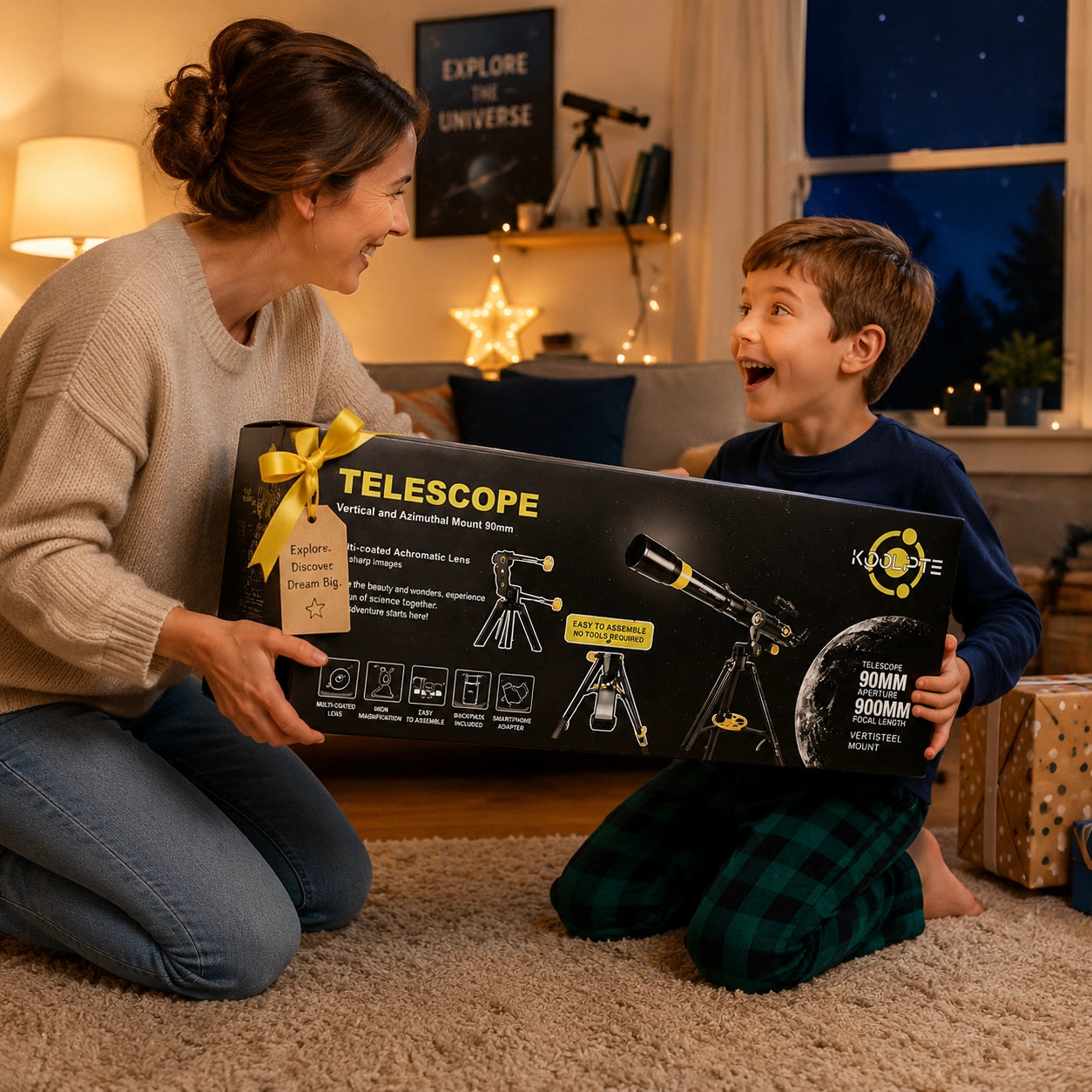
A Complete 70mm Starter Kit
Vega Lite gives new stargazers the essentials for learning focus, aiming, and first Moon viewing.
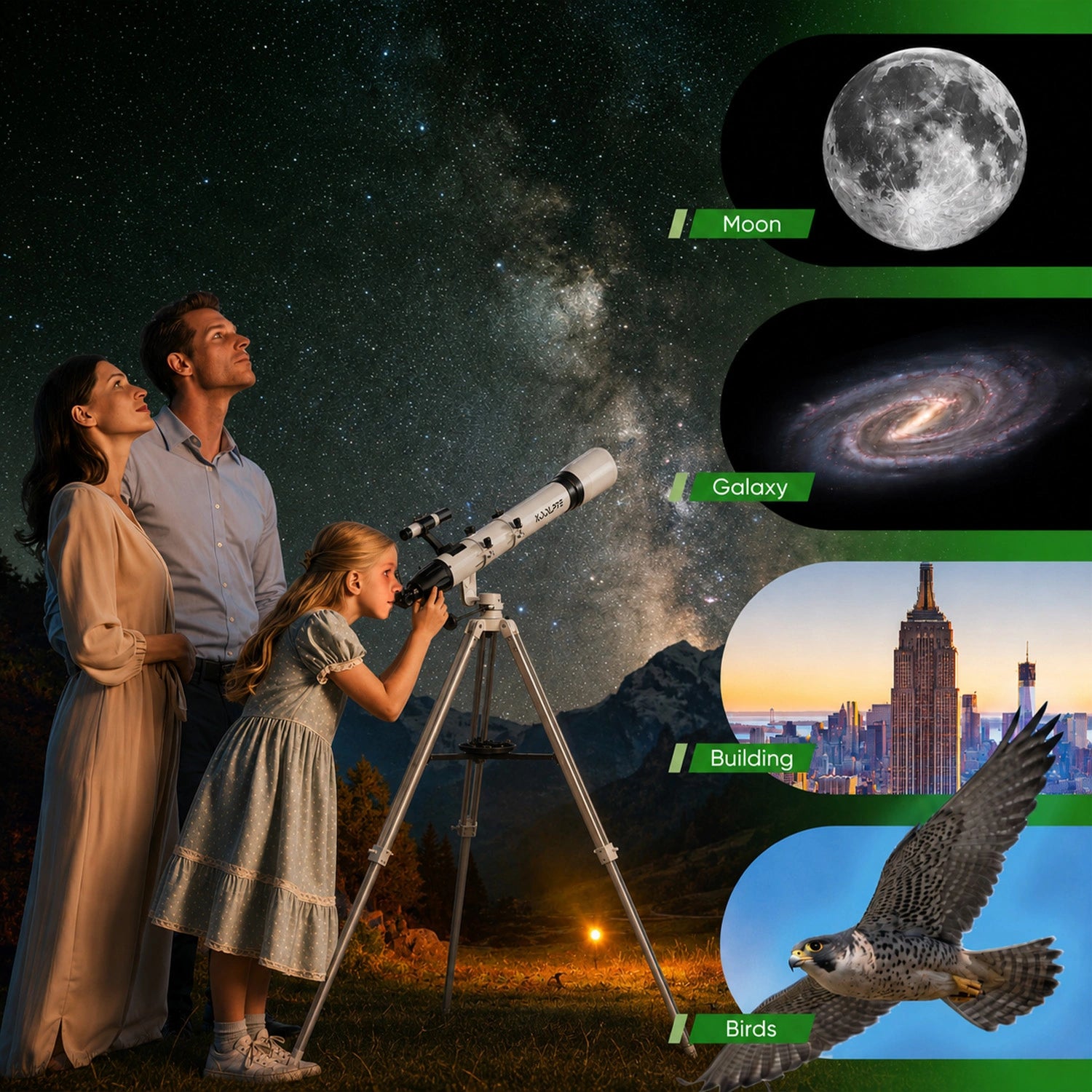
Family Learning Nights
Bring astronomy into a backyard evening with a simple refractor telescope made for shared beginner use.

A Budget-Friendly Telescope Gift
A practical first telescope for students, families, and adults who want to try stargazing without overcomplicating the setup.
Compare our telescopes side by side to find the right one for you.
 Vega Precision
 Antares
 Vega Plus
See how customers unbox, assemble, and begin using the Vega Lite 70/500 telescope kit.
This telescope is pretty good for beginners. I was able to put everything together without much trouble.When weather is clear, you can actually see some details on the moon, looks very cool for beginner telescope. Of course cloudy weather or dark night not work too good. Need good weather to get best view.The phone holder adapter , wireless remote and carrying bag are useful bonus.
I’m very happy with this telescope. It is easy to set up, lightweight, and beginner-friendly. The adjustable tripod works well, and the image quality is clear for the price. It’s a great choice for kids or adults who are just getting started with astronomy. We enjoyed using it to look at the moon, and it made the experience fun and educational. Overall, good value and a nice starter telescope.
This telescope works well for me; I tried observing the moon and it felt alright. I'm looking forward to our stargazing trip to the Dark Sky Reserve in August; it will definitely make the trip more enjoyable.
This refracting telescope great for clear viewing. Fully multi coated optics help improve image brightness and clarity. The AZ mount allows me smooth manual adjustment for easy object tracking.It Includes accessories such as a diagonal mirror and phone adapter expand viewing options. A wireless remote supports simple photo capture through a smartphone. The lightweight design and carrying bag make it easy for me to transport. A solid choice for any ages starting astronomy observation.
My family and I have been really enjoying this telescope. It's a fantastic choice for anyone curious about astronomy, especially families with young explorers.
I’m really impressed with this telescope. The 500mm (f/7.1) focal length and 70mm aperture deliver surprisingly clear and bright views of the night sky, making it a great choice for beginners who want to explore astronomy without feeling overwhelmed. It’s gentle on the eyes and easy to enjoy for longer viewing sessions.The setup is also very convenient. The included adjustable aluminum tripod feels stable, and the phone adapter makes it fun to capture and share what you see. The wireless remote control and carrying case are a huge plus, especially for travel or taking it outdoors for stargazing nights.
This is a really great telescope. It easily shows the surface of the moon and is excellent for stargazing. The price is very reasonable. I plan to give it to a friend as a Christmas gift this year.
Got this for my son's birthday last week and we finally had a clear night to try it out. The moon looked amazing – you can see the craters realy clearly. Setup was easy even for me lol, tripod is decent but a little wobly if you touch it. The phone adapter is cool but took a few tries to line up the camera right. Carrying bag is nice for storage. Great little scope for beginners, just don't expect to see Saturns rings in high detail. Definitly worth the money.
Easy to set up and great for beginners. The optics provide clear views of the moon and bright stars, and the phone adapter makes it fun to capture photos. Lightweight, portable, and an excellent value for anyone starting out in astronomy.
Great beginner telescope for the price! Easy to set up, lightweight, and my kids loved using it to look at the moon. The phone adapter is a nice bonus. Perfect for family stargazing nights! If bigger Aperture is better.
The telescope arrived! It's a gift for my daughter, and she loves it. The product quality is excellent, it was very easy to assemble, and it came with some replacement lenses and accessories. It's a perfect gift for a child.
Easy to set up and perfect for kids and adults. The moon looks very clear, and the phone adapter is a fun bonus for taking pictures. Lightweight, good quality, and great value for beginners. Highly recommend!
Pretty nice for looking at the moon and some stars when the sky is clear. Took me a bit to figure out the setup and finding things at first, but after playing with it for a while it got easier.
My first telescope. Convenient to set up and use. Aligning can be tricksome but if I can do it, you can too. The cell phone camera attachment makes it easy to record images and video.
My child has been studying astronomy at school recently, so I took the opportunity to get him a telescope. Now, he spends every evening observing the stars and the moon; by applying what he’s learned from his textbooks, he has picked up a great deal of new knowledge. The telescope features multiple magnification settings, and its tripod stand can be adjusted to three different heights. It makes for an excellent gift for a child.
This is very good starter telescope for the price. The only thing it is missing are proper detailed setup instructions. My teen loves it but it was difficult to set it up at first.
This item did not come with instructions or a manual of any kind. I was unable to send links to my grandson for this product. Customer Service NOT helpful in resolving issue. Rep had no communication skill or understanding of problems or requests. Useless product, no support.
Got this for my son's birthday last week and we finally had a clear night to try it out. The moon looked amazing – you can see the craters realy clearly. Setup was easy even for me lol, tripod is decent but a little wobly if you touch it. The phone adapter is cool but took a few tries to line up the camera right. Carrying bag is nice for storage. Great little scope for beginners, just don't expect to see Saturns rings in high detail. Definitly worth the money.
価格も使い易さも、初心者の自分には、合っていました。 もっと倍率が高い物が欲しくなりました!
I’m very happy with this telescope. It is easy to set up, lightweight, and beginner-friendly. The adjustable tripod works well, and the image quality is clear for the price. It’s a great choice for kids or adults who are just getting started with astronomy. We enjoyed using it to look at the moon, and it made the experience fun and educational. Overall, good value and a nice starter telescope.
月に興味を持った子供の誕生日プレゼントとして購入。想像していたよりはっきりと見え感動!満月の日が待ち遠しいと言っています!買ってよかったです!
This telescope works well for me; I tried observing the moon and it felt alright. I'm looking forward to our stargazing trip to the Dark Sky Reserve in August; it will definitely make the trip more enjoyable.
The telescope arrived! It's a gift for my daughter, and she loves it. The product quality is excellent, it was very easy to assemble, and it came with some replacement lenses and accessories. It's a perfect gift for a child.
Start with lunar craters and shadow detail. Bright planets such as Jupiter and Saturn are also rewarding targets when conditions are favorable.
Yes. It keeps the setup simple while giving beginners useful 20× and 50× direct magnification options plus a 3× Barlow for later experimentation.
Begin with the 25mm eyepiece at 20×. Center and focus the target, then move to 50× with the 10mm eyepiece. Higher-power Barlow combinations work best only when the view is steady.
Yes. Use the included smartphone adapter and wireless remote after the telescope is focused and stable.
High magnification also enlarges vibration and atmospheric blur. Return to lower power, refocus carefully, and try higher magnification only when the target and conditions support it.
Helpful support when you need it.


